What Happens When You Change Wheel Offset or Tire Width?
At EZDealin Wheels & Tires, one of the most common questions we hear is: Will these wheels and tires actually fit my truck?
Changing wheel offset or tire width can dramatically change how your vehicle looks and how it drives. When done correctly, the result is a clean, aggressive stance with no issues. When done incorrectly, it can lead to rubbing, uneven tire wear, and long-term suspension problems.
This guide explains what happens when you change wheel offset or tire width, using before-and-after visuals, real-world examples, and expert fitment advice.
What Is Wheel Offset?
Wheel offset is the distance between the wheel’s mounting surface and the centerline of the wheel.
-
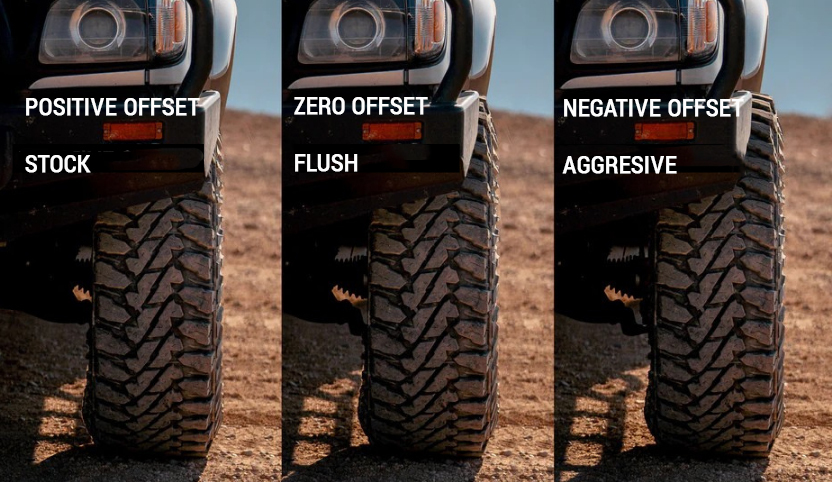
Positive offset: Wheel sits farther inside the fender (typically found in stock or replica wheels)
- Zero offset: Wheel is centered (can either be replica or aftermarket style wheels)
-
Negative offset: Wheel sticks out toward the fender (typically found in aftermarket wheels)
Offset plays a major role in stance, clearance, steering feel, and component wear.
Before & After: Changing Wheel Offset
What Happens When You Run a More Aggressive Offset?
- Wider, more aggressive stance
- Wheels may poke past the fenders
- Higher chance of rubbing on turns or bumps
- Increased stress on wheel bearings and suspension
What Happens With a Balanced Offset?
- Clean, flush appearance
- Better ride quality
- Less rubbing risk
- Longer component life
EZDealin tip: Just because a wheel bolts on doesn’t mean it’s a smart fitment choice.
What Is Tire Width?
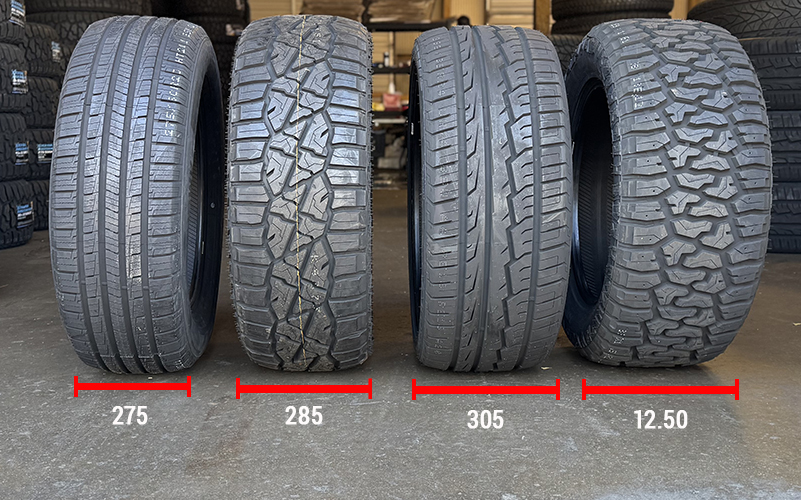
Tire width refers to how wide the tire is from sidewall to sidewall, typically measured in millimeters (ex: 275, 285, 305) or inches (ex: 12.50).
Wider tires look great—but they demand the right wheel width, offset, and suspension setup.
Before & After: Changing Tire Width
What Happens When You Go Wider?
- More aggressive stance
- Increased traction
- Higher chance of rubbing
- Heavier steering feel
- Possible fuel mileage decrease
What Happens When You Stay Narrower?
- Easier fitment
- Better daily drivability
- Less steering and suspension stress
- Cleaner clearance
This is why tire width should never be chosen without consideration to wheel offset and vehicle suspension.
Common Problems Caused by Incorrect Offset or Tire Width
At EZDealin, we help customers avoid these issues every day:
- Fender or liner rubbing
- Tire contact with suspension components
- Premature or uneven tire wear
- Steering bind
- Poor ride quality
How EZDealin Ensures Proper Fitment
When we help customers choose wheels and tires, we factor in:
- Vehicle year, make, model, and trim
- Stock, leveled, or lifted suspension
- Wheel style desired and its width and offset
- Tire width and overall diameter
- Daily driving, towing, or off-road use
We don’t guess. We recommend proven combinations that work.
Final Thoughts: Build It Right the First Time
Changing wheel offset or tire width can completely transform your truck or SUV—but fitment matters just as much as appearance. Correct fitment keeps it drivable.
If you’re unsure what works for your vehicle, that’s exactly what we’re here for.
Explore wheels, tires, and fitment-verified setups at EZDealin Wheels & Tires, or reach out and let our team help you build it right the first time.
Frequently Asked Questions (FAQs)
Will changing wheel offset cause rubbing?
Yes, especially if you choose a lower (more aggressive) offset. Rubbing depends on offset, tire width, tire diameter, and suspension setup.
What offset is best for a truck?
There’s no universal answer. The best offset depends on your vehicle, wheel width, tire size, and whether the truck is stock, leveled, or lifted.
Can I run wider tires without lifting my truck?
Sometimes. Mild increases in tire width may work on stock suspension, but aggressive widths often require proper offset selection or suspension modifications.
Does wheel offset affect ride quality?
Yes. Extremely aggressive offsets can increase steering effort, stress suspension components, and affect long-term ride comfort.
What happens if my wheels stick out too far?
Excessive poke can cause rubbing, throw debris onto the paint, increase wear on suspension components, and may not be road-legal in some areas.
How do I know if a wheel and tire setup will fit my vehicle?
The safest option is to work with fitment professionals who understand real-world clearance—not just specs on paper.